

Table of contents
Introduction
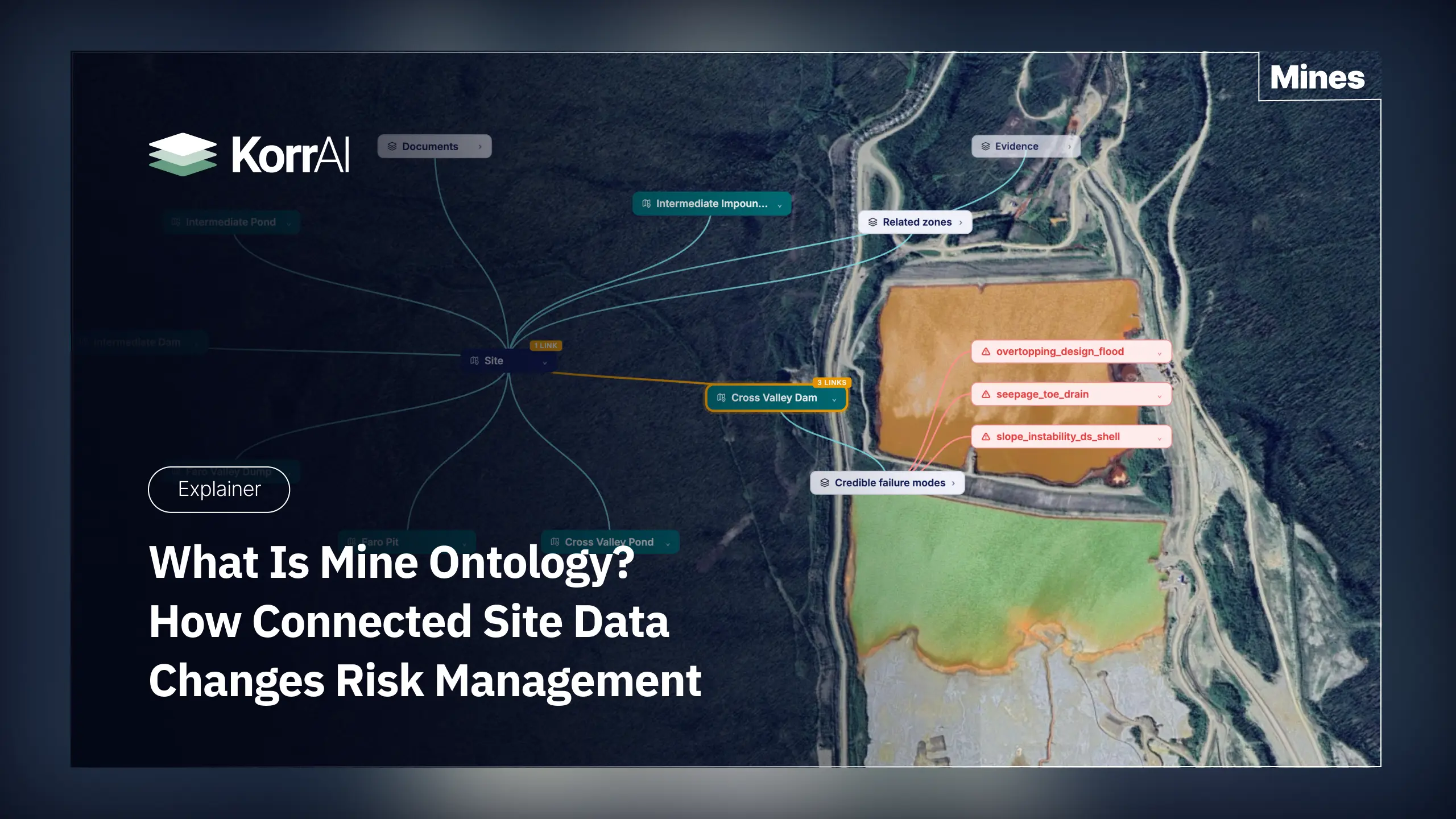
Tailings or dam safety assurance is scattered across data streams, custodians, processes, and phases of its life. When a quarterly review starts, engineers open the reports, dashboards, maps, emails, SharePoint folders, and whatever else holds part of the story, read them by hand, and stitch the safety review together. That is how mine infrastructure safety reporting works today.
We set out to solve that problem without letting generic, hallucinating GenAI take over high-stakes work. Along the way, we built TRAIL (a Traceable Risk Agent for Infrastructure and Logistics). We rolled out pilots last year, and outcomes went further than our customers expected out of the gate.
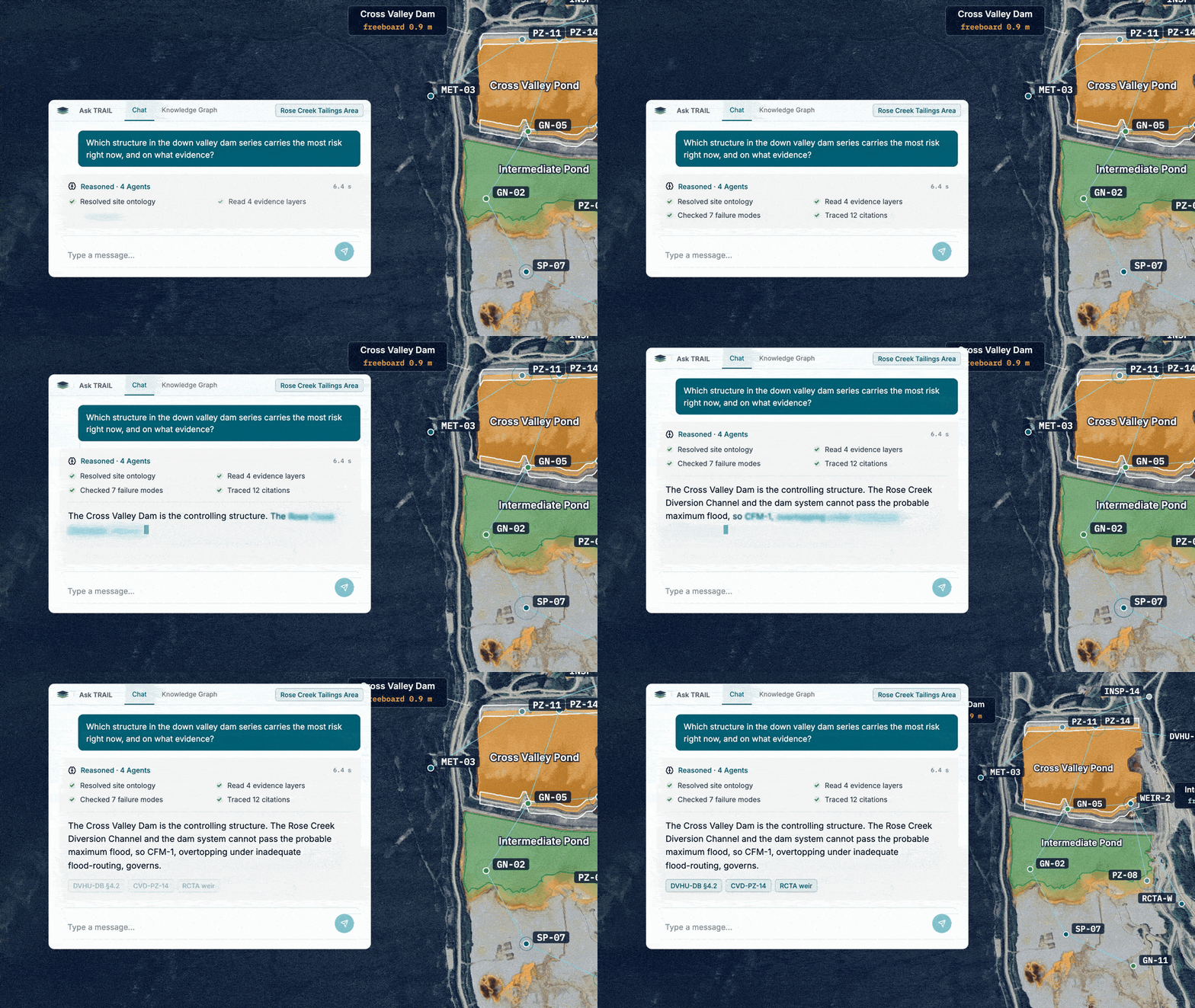
Today we're expanding TRAIL's reach - enabling more sites, in more regions, to benefit from it.
Meet Karl Malitz. Karl spent nearly 20 years at Rio Tinto, moving from geologist to managing operations, then to innovation & technical strategies that went to the Board. Most recently, he was Manager of Open Innovation, bringing outside technology into the company. He is also a Fellow of the Australasian Institute of Mining and Metallurgy (FAusIMM) - the highest grade of membership within the peak body for resources professionals, recognizing senior leadership and distinguished contribution to the industry. Today, as Director and Principal of KMR Insights & Innovation, Karl advises KorrAI as an independent mining advisor, helping take TRAIL to more operators and shape what we build for them.
"Today, 'AI’ makes innovation leaders, myself included, ask harder questions: what is the model actually doing, where is our data going, and can we stand behind the answer? In open innovation, my job was finding technology worth bringing into the business, and I watched plenty of promising pilots stall before they reached the operation. TRAIL has what it takes to get past that: it handles the messy, scattered data sites actually have, every finding traces back to its source, and it runs where the customer needs it to. To scale, it has to work for the engineer, the IT team, and the finance leader, or it stays a pilot.”
Karl Malitz, Director, KMR Insights & Innovation | Independent Mining Advisor to KorrAI.
Karl also brings a buyer-side perspective on technology adoption. Scaling from proof of concept to enterprise wide use is as much an organisational question as a product one. Site teams want answers that show the work. IT teams want to know where the data lives and which models touch it. Finance leaders want to know what it replaces, what it de-risks, and whether it holds up at enterprise scale. That’s why we’re building TRAIL to run either in KorrAI’s managed cloud or inside the customer’s own cloud or servers, using local AI models where needed.
"A strong demo is only the beginning. At a large mining company, the next conversation is usually with IT: Where will the data live? Which models will be used? How will the system fit into existing workflows? Karl’s experience helps us navigate those questions and test our roadmap against the real use cases operators care about, which often don’t come up in external meetings."
Jean-Samuel Poirier, Senior Product Manager, TRAIL
In the last 5 years at KorrAI, working next to the engineers who prepare safety reviews and process diverse datasets (satellite, geological, geotechnical, and hazard, etc.), we saw that the slowest part of their job was assembling the evidence before they could start the judgment. That has shaped how our team delivers AI agents on TRAIL. We start with recurring work a site already pays for, such as quarterly reviews and regulatory filings, and turn it into a workflow that runs the same way every cycle. An interesting fact is: so far, customers have paid for TRAIL out of consulting budgets, not software budgets. That’s a testament to how early we’re in this type of technology adoption.
"Every deployment has made the next one sharper, because we learn where a site's record is messiest and how engineers check it. Karl adds first-hand experience managing the innovation department at a major mining company, right where the adoption happens."
Rahul Anand, CEO and Co-founder, KorrAI
As we continue to develop the product with the help of advisors like Karl, we’re holding onto two core principles:
1 - Keeping the work inside TRAIL traceable, no black box tech. When one decision can make the news, cost a license, and, at worst, cost lives, each finding should be grounded in data.
2 - Data stays safe, and the site's knowledge base keeps itself updated. Customers choose where their data lives. As new readings, inspections, and reports arrive, TRAIL adds them to the site record, and safety-workflow benefits compound over time.
If you run tailings, dam safety, or closure at a mining operator, write to contact@korrai.com. We’d be happy to do a live walkthrough and share a case study.
Share the word with your colleagues about our whitepaper.
Share this post


Written By


Rahul Anand
PDG et cofondateur
Rahul est PDG et cofondateur de KorrAI. Entrepreneur en série, il a déjà bâti des entreprises prospères dans les secteurs de l'Internet grand public et de l'IoT. Il vise maintenant à lutter contre l'affaissement du sol, qui devrait toucher plus de 25 % de la population mondiale au cours des prochaines décennies.
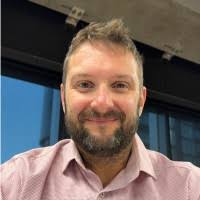
Karl Malitz
Mining Advisor
Karl Malitz is a mining advisor to KorrAI. He spent nearly 20 years at Rio Tinto in geology, mine operations, and technical strategy, most recently as Manager, Open Innovation. He is a Fellow of the Australasian Institute of Mining and Metallurgy
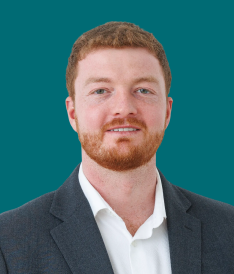
Jean Poirier
Chef de Produit Senior
Jean est Chef de Produit Senior chez KorrAI. Il est titulaire d'un diplôme en génie chimique de l'Université Queen's et d'un MBA de la Memorial University of Newfoundland. Auparavant, il a travaillé avec des organismes gouvernementaux et des organisations du secteur public sur des solutions d'évaluation des risques liés aux infrastructures.
Written By

Team KorrAI

Abonnez-vous à notre infolettre
Nous envoyons à l'occasion des courriels contenant des mises à jour, nos derniers blogues et nos lectures préférées sur InSAR et le paysage lent de l'affaissement du sol.
Lu par les meilleurs professionnels sur



Oups ! Quelque chose s'est mal passé lors de la soumission du formulaire.


2026 KorrAI. Tous droits réservés.
L'IA traçable pour des projets de plusieurs milliards de dollars.
Abonnez-vous à notre infolettre
Nous envoyons à l'occasion des courriels contenant des mises à jour, nos derniers blogues et nos lectures préférées sur InSAR et le paysage lent de l'affaissement du sol.
Lu par les meilleurs professionnels sur
Oups ! Quelque chose s'est mal passé lors de la soumission du formulaire.